
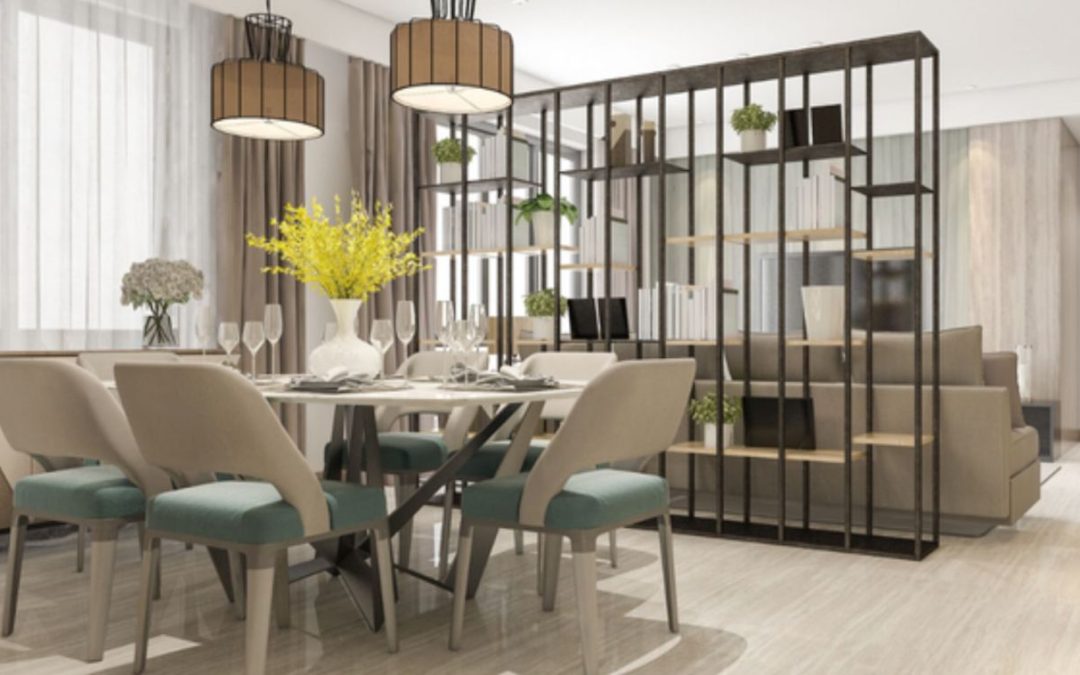
The shape of a piece of furniture is a complex issue that requires careful reflection and a distinction between specific and general judgments. It is essential to consider not only the aesthetics of a product but also the personality of the designer, the history of the manufacturer, and the type of market it is intended for. In this article, we will explore some examples of good and bad form in design, highlighting the reasons behind these evaluations.
A quintessential example of good form is the Eames DSW Chair (Dining Side Chair Wood), designed by Charles and Ray Eames in the 1950s. This chair is a classic of modern design, characterized by an ergonomic shape that perfectly meets comfort needs. The use of materials such as polypropylene and wood not only provides a pleasant aesthetic but also makes the chair versatile and suitable for various settings. The quality of its form harmonizes with the desire for modernity in an era when innovation was at the heart of everyday aspirations.
Another significant example is the Arco Lamp by Achille Castiglioni, designed in 1962. With its bold yet simple shape, featuring a stainless steel arch supporting a light source, the lamp not only fulfills its lighting function but also becomes a sculptural piece capable of drawing attention. In this case, the form is intrinsically linked to functionality, representing a period when design sought to merge art and everyday life in perfect balance.
On the other hand, the postmodern period of the 1980s produced numerous objects that, while visually stimulating, often lack stylistic and functional coherence. Many pieces of furniture from that time display irregular shapes and excessive colors, born from a desire to provoke and break with the past. However, this lack of harmony resulted in products that, although interesting, can prove impractical and short-lived, revealing a poor alignment with the real needs of users.
Another critical example is represented by IKEA furniture. While the brand symbolizes accessibility and functionality, some of its products show shortcomings in terms of design. Overly simple lines and the use of low-quality materials can result in objects lacking personality and inspiration. This case illustrates how effective design must go beyond mere functionality, addressing the aesthetic dimension in a deeper and more meaningful way.
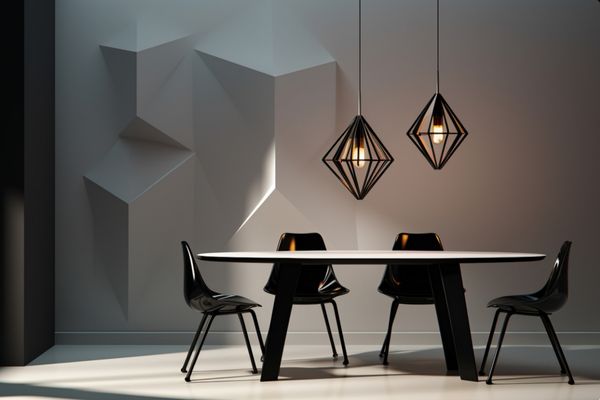

The concept of style is crucial in evaluating form. It is not merely a reflection of temporary trends but represents a “deep sensibility” that echoes the vibrations of a community at a specific historical moment. For example, postmodernism—though often contradictory—embodied a cultural reaction against the rationalist design ideology of the 1970s.
The lack of a coherent style in contemporary design is harming artistic craftsmanship, particularly in Italy, where identity has historically been a competitive advantage. A stylistic update and a new direction are essential, as these elements provide guidance for companies and establish parameters for assessing quality.
In conclusion, the form of a piece of furniture goes beyond a mere aesthetic judgment. It must be understood within its context and its time, taking into account cultural dynamics and the target market. Through concrete examples of good and bad form, the complexity of design becomes evident—requiring a balance between functionality, aesthetics, and cultural identity. Continued dialogue on these issues is essential for the advancement of design and the renewal of artistic craftsmanship.

