
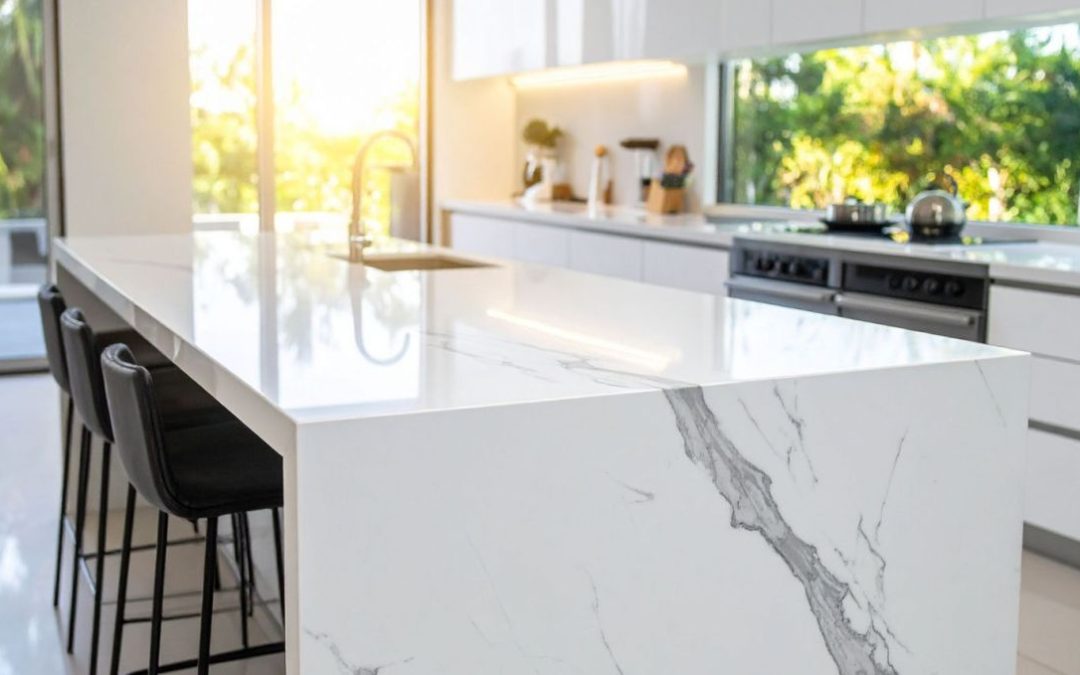
Customization and Co-Design: Bringing the Customer into the Creative Process
Not for everyone, but for many
The ability to offer customization or initiate co-design paths greatly depends on the type of company, the product, production processes, and internal structure.
Not all artistic manufacturing businesses can afford to open their doors to customers to design a piece or a collection together.
However, many could—but don’t. Why? Because they lack time.
Because they’re absorbed in production. Because they haven’t yet structured a communication strategy that makes this opportunity visible and valuable. And so, a powerful lever for engagement, storytelling, and positioning remains unused.
Yet today, more than ever, customers seek relationships, uniqueness, and stories to live by. They want to feel part of something. They want to participate.
Involving the Customer: More Value for Both
Integrating the customer into the creative process does not mean giving up control. It means opening a dialogical space where the company brings in its expertise, vision, and listening skills.
For the company, this approach brings tangible benefits: stronger product attachment, higher willingness to pay, healthier margins, fewer returns, and the activation of qualified word-of-mouth.
For the customer, it means experiencing something unique. Owning an object that is not only beautiful, but conceived with and for them. Not just buying a product, but becoming part of it.
From Consultation to Co-Design: Operational Models
Each company can find its own way to structure a customization service. Some offer predefined options (colors, materials, sizes); others create true collaborative workshops where the customer participates in the concept phase.
An effective process can follow a few key steps:
- Initial consultation to gather needs, context, and objectives
- Tailor-made project proposal, with documented alternatives
- Physical or digital prototype, even in a simplified form (draft, rendering, mockup)
- Feedback and optimization
- Approval and production
What’s essential is that the customer feels heard, respected, and valued. But also guided—because the company remains the expert in technical and stylistic knowledge.
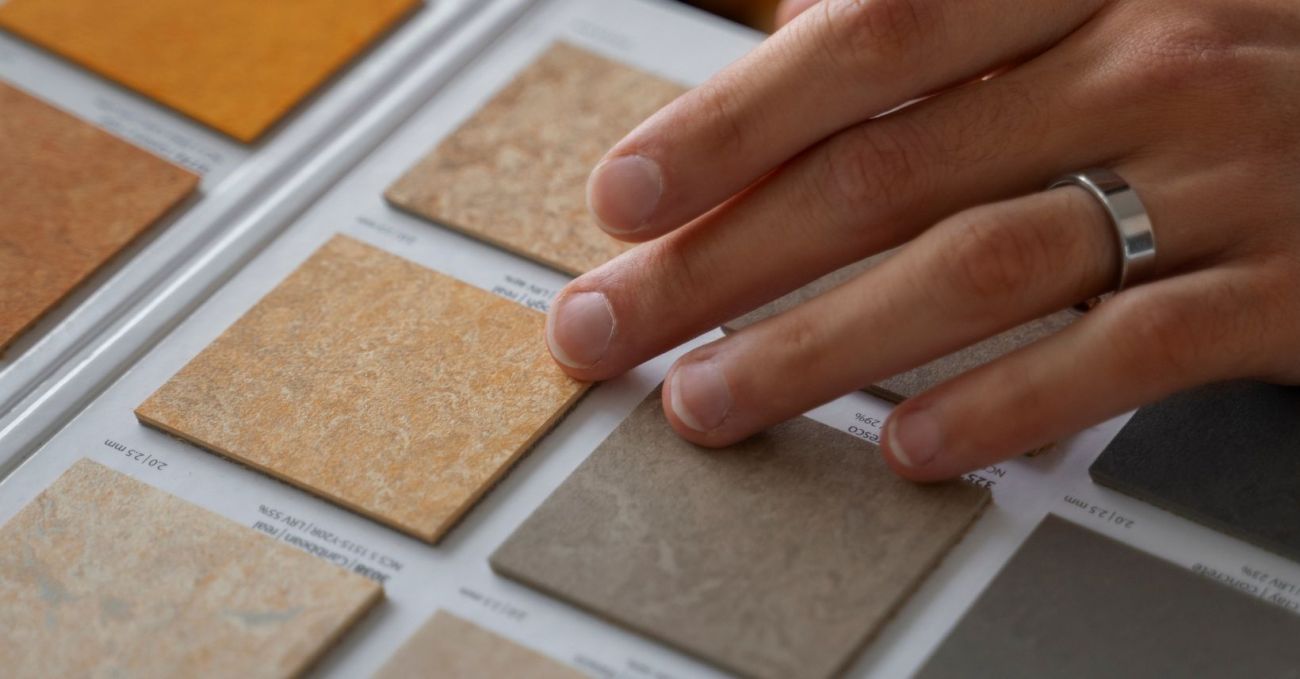
Communicating Customization: From Effort to Storytelling
Offering a bespoke experience is demanding. It requires time, energy, and flexibility. But when well communicated, this effort becomes perceived value, differentiation, and brand storytelling.
Many artistic manufacturing companies offer true customization—but they don’t talk about it. They don’t explain it. They don’t show it. And so, the value remains invisible.
It’s essential to document these journeys through images, videos, and testimonials. To create authentic stories of projects born through dialogue with the client. To highlight the beauty of the process—not just the final result.
Mind the Rules: Clear Promises, Sustainable Processes
Customization doesn’t mean always saying yes.
It requires a clear structure that defines:
- Realistic timelines, with room for revisions
- Any additional costs clearly stated upfront
- Non-negotiable technical and stylistic constraints
- Communication methods, channels, and contact persons
Good customization makes the client feel part of something, without compromising quality, timelines, or stylistic coherence. It’s a balance between openness and guidance.
A Powerful Storytelling Tool
Every customized piece tells two stories:
The story of the company that created it, and the story of the client who inspired it.
Woven together, these stories become a natural, credible marketing tool.
In a saturated market where everything looks the same, well-communicated customization becomes a competitive advantage. And those who helped create a piece are often the first to want to show it, talk about it, share it.
Highlighting Artisan Know-How Through Client Dialogue
One of the most powerful effects of customization is that it brings craftsmanship to light.
When clients take part in a project, they discover what usually remains hidden: the complexity of choices, the intelligence of the hand, the balance between technique and sensitivity.
This dialogue—between those who request and those who create—is a precious opportunity to communicate the value of craftsmanship. Through the experience, clients come to appreciate the thought, care, and precision behind every detail. This builds respect, willingness to invest, and emotional connection.
For the company, it means stepping out of a pure “execution” role and positioning itself as an expert partner, a consultant, a storyteller of its own craft.
And often, it’s from these interactions that new ideas, collections, and unexpected interpretations emerge—enriching the company’s work as well.
Want to integrate customization into your work?
Join the Euteknos network and discover how to design tailor-made experiences that create value and differentiation in artistic manufacturing.

