
Display and Presentation: How to Exhibit to Spark Desire
Form Reflects Value: The Art of Showcasing Craftsmanship
An artistic artifact is never just an object: it is a story, a skill, an identity. But for this complexity to be truly perceived by the public, it must be supported by an exhibition context that amplifies its meaning, its details, its presence.
Exhibiting is not a technical choice — it’s a narrative strategy.
In every artistic manufacturing company in Veneto — whether a mosaic workshop, a bespoke carpentry studio, or a glassmaking atelier — the way artifacts are displayed (in-house, online, at trade fairs or in showrooms) communicates far more than one might think.
And yet, display is often overlooked. Random placement, poor lighting, generic or missing labels. The risk? The product speaks… but is misunderstood.
Today, when experience is an integral part of value, we can’t afford to let chance dictate what is perceived and how. Exhibiting well means sparking desire, guiding interpretation, and differentiating the offering. It’s a lever for experiential, sensory, and strategic marketing.
The Invisible Scenography that Illuminates Identity
When someone enters a thoughtfully curated exhibition space, they don’t just see products: they experience atmospheres, receive signals, and form judgments. In this sense, display is like theatrical scenography: it’s not the star of the show, but it makes the magic possible.
That’s why designing a display starts with interpreting the brand’s identity and turning it into coherent visual choices: heights, rhythms, lighting, colors, support materials, words.
Within this approach, sensory design also plays a key role, turning a visit into a full experience. Exhibition is its first language: what is seen, how it’s lit, how it’s accompanied — it all creates either emotion or detachment.

Light and Shadow: The Invisible Allies of Perceived Value
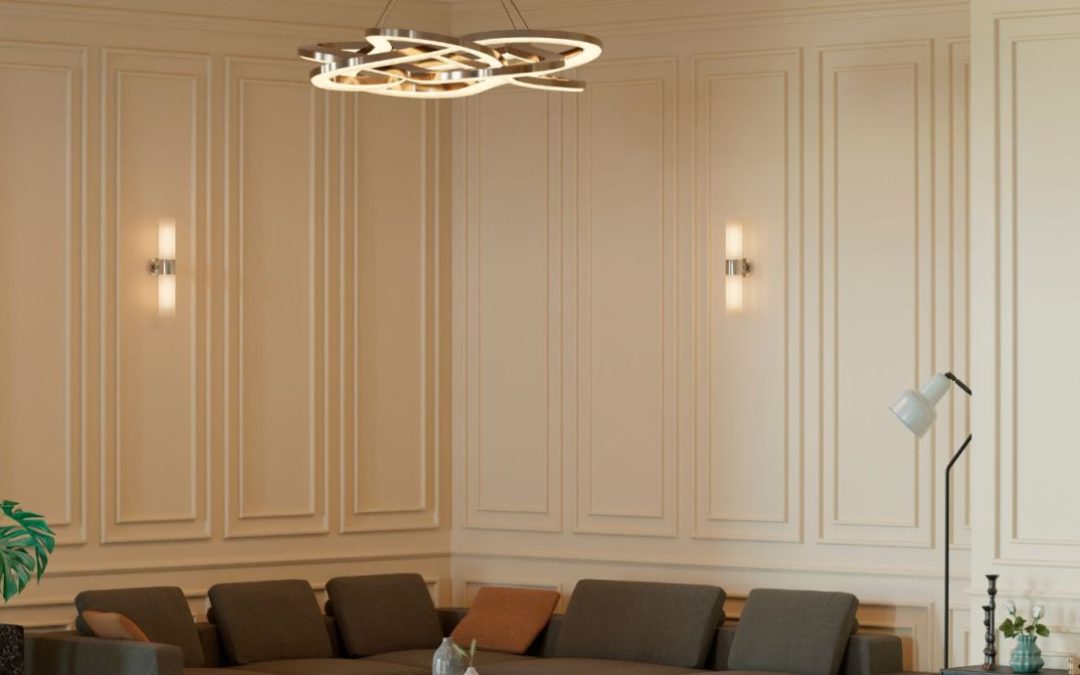
A warm, directional light source can highlight a complex detail of craftsmanship and make it stand out. Conversely, a cool, diffuse light can flatten shapes, making everything look the same.
This isn’t just an aesthetic matter — it’s about positioning. A well-lit object is perceived as more refined, valuable, and important. In this sense, display directly influences perceived value.
It doesn’t take massive investments — it takes awareness:
Where should the light be placed? What angle enhances the surface? Which supporting materials reflect (or absorb) light better?
Telling a Story Through Layout: Micro-Islands, Flow, and Pause
Another often underestimated element is the composition of the display space.
Placing objects side by side without criteria weakens their expressive power. On the other hand, creating narrative micro-islands, with 2 or 3 pieces accompanied by a text or suggestion, helps guide and engage the viewer.
Any space can become an experiential journey, where the visitor is guided by:
- a logical or emotional sequence (based on material, color, technique)
- a visual surprise placed at the center or end of the path
- a sense of coherence between display, story, and brand identity
This kind of design creates rhythm, avoids monotony, and sparks curiosity. In short: it turns a display into a narrative device, not just an orderly stockroom.
The Narrative Label: Words That Reveal Meaning
In any display, words matter as much as the objects themselves.
A technical label with just a name and code is not enough.
Every piece should be accompanied by a narrative label: a short sentence that tells the story of its origin, craftsmanship, intent, and uniqueness.
This is not marketing — it’s guided interpretation.
It helps the viewer step into the maker’s world, to understand what can’t be seen, to perceive the value embedded in the artifact.
It’s also a subtle yet powerful way to incorporate storytelling. And when the words are carefully chosen, they become memorable — short, evocative phrases that stick in the mind and set the product apart from everything around it.
Packaging, Display, Brand: One Coherent Story
The display is the first chapter of the story. But then comes the second: the moment when the client takes the product home. And this is where emotional packaging comes in.
If display and packaging speak different languages, the result feels disjointed.
If instead they reflect the same identity — through materials, colors, and coherence — the experience becomes fluid, powerful, and memorable.
This kind of narrative continuity is a key pillar in true product differentiation.
It’s what makes artistic manufacturing recognizable, desirable, and authoritative.
From Physical Display to Digital Presence: A Seamless Bridge
Not every client will see a product in person.
That’s why the same curatorial approach must be translated online — through photos, videos, and product pages.
Every image should communicate care, coherence, and story.
And every description should help people experience the product from afar, incorporating sensory details, context, and values.
The digital display is an extension of the physical one.
Curating it is a sign of respect, not just a formality.
And when it’s done well, it builds trust, anticipation — and conversions.
Display as a Lever of Experiential Marketing
In conclusion, how a product is displayed is not just an aesthetic detail, but a strategic tool to communicate value, identity, and vision.
A well-executed display:
- elevates the product
- reinforces its uniqueness
- generates emotional engagement
- supports storytelling and sales
- creates a consistent experience across physical and digital spaces
Every artistic manufacturing business should invest time and thought into its display — even with simple but well-designed solutions, ideally supported by designers or expert partners.
You don’t need a big showroom.
You need a great perspective.
Euteknos stands alongside businesses in this too — helping craft value-enhancing pathways that start with display… but speak to the heart.
Discover how to enhance the display of your handcrafted products with support from the Euteknos network.
Join the network to access personalized support, training, and consulting services.

