
Venetian Ceramics: Tradition, Contemporary Design, and New Opportunities for Growth
Venetian Ceramics Between History and Creativity
Venetian ceramics represent one of the most fascinating expressions of the region’s artisanal heritage, conveying stories, symbols, and knowledge passed down through generations. Since ancient times, clay working has shaped the cities and towns of the Veneto region, giving rise to everyday objects, works of art, architectural decorations, and innovative design solutions.
Today, ceramics stand out for their ability to blend traditional techniques with experimentation, fully expressing the creativity of master ceramicists and the vitality of a sector that looks to the future with boldness and openness to innovation.
Origins and Regions of Ceramics in Veneto
Veneto is historically one of the richest Italian regions in terms of workshops, studios, and specialized districts dedicated to artistic ceramics. Three cities, in particular, have elevated the prestige of Venetian ceramics: Nove, Bassano del Grappa, and Este. Each represents its own creative universe, carrying forward specific traditions, refined techniques, and a strong drive toward innovation.
Nove: The Capital of Majolica and Artistic Porcelain
Nove is universally recognized as one of Italy’s ceramic capitals, particularly for its production of majolica and porcelain. Since the 18th century, renowned manufacturers have flourished here, blending local traditions with European influences to create unmistakable styles.
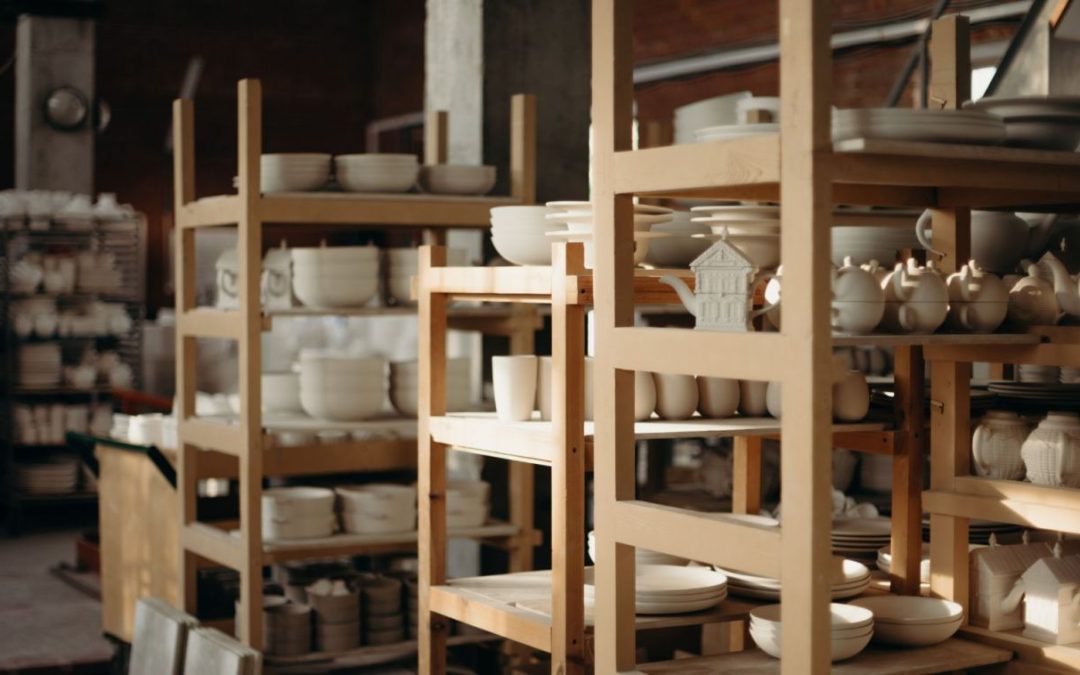
The workshops of Nove are known for the variety and quality of their creations—from elegant tableware to decorative statues, vases, and large-scale installations. The decorations, often hand-painted, feature floral motifs, historical scenes, and vibrant colors typical of local culture.
The city is home to the Ceramics Museum, an international point of reference, and continues to serve as a training hub for young ceramicists, thanks to local art schools and specialized labs. Nove’s creative vitality is also evident in collaborations with contemporary artists and designers, who find in local companies ideal partners for innovative projects.
Bassano del Grappa: Tradition and Innovation in Ceramics
Bassano del Grappa boasts a long-standing ceramic tradition dating back to the 15th century, which has continually evolved, establishing the city as a crossroads of craftsmanship and innovation.
Bassano’s ceramic manufacturers are renowned for their high-quality tableware, tea sets, vases, lamps, decorative plates, and home accessories—often distinguished by elegant lines and glossy glazes. Bassano ceramics are notable for blending functionality with sophistication, meeting the needs of modern interior design while staying true to largely manual production techniques.
The city has also promoted cross-pollination between art, design, and industry by hosting exhibitions, competitions, and international collaborations. Local companies and workshops frequently participate in research projects, the development of new materials, and innovative applications, confirming Bassano’s role as a forward-thinking hub of artistic ceramics.
Este: Classicism, Elegance, and Historic Decoration
Este is one of the most prestigious historical centers for Venetian ceramics, known since the Middle Ages for its fine ceramics and decorated terracotta.
Over the centuries, Este’s workshops have specialized in creating objects inspired by classical themes: Renaissance-style plates and vases, bas-reliefs, heraldic coats of arms, and reproductions of historical pieces that still decorate villas, palaces, and public collections.
Este ceramics are characterized by meticulous attention to detail, decorations often inspired by naturalistic or mythological themes, and a refined color palette.
The presence of the National Atestino Museum, along with various schools and studios, helps preserve a tradition that values both the philological recovery of ancient forms and an openness to new expressive languages. Today, Este is a creative laboratory where the culture of the past merges with the demands and tastes of contemporary life.
Traditional Techniques and Contemporary Experimentation
The strength of Venetian ceramics lies in the seamless integration of centuries-old manual techniques with a bold spirit of experimentation in materials, forms, and styles.
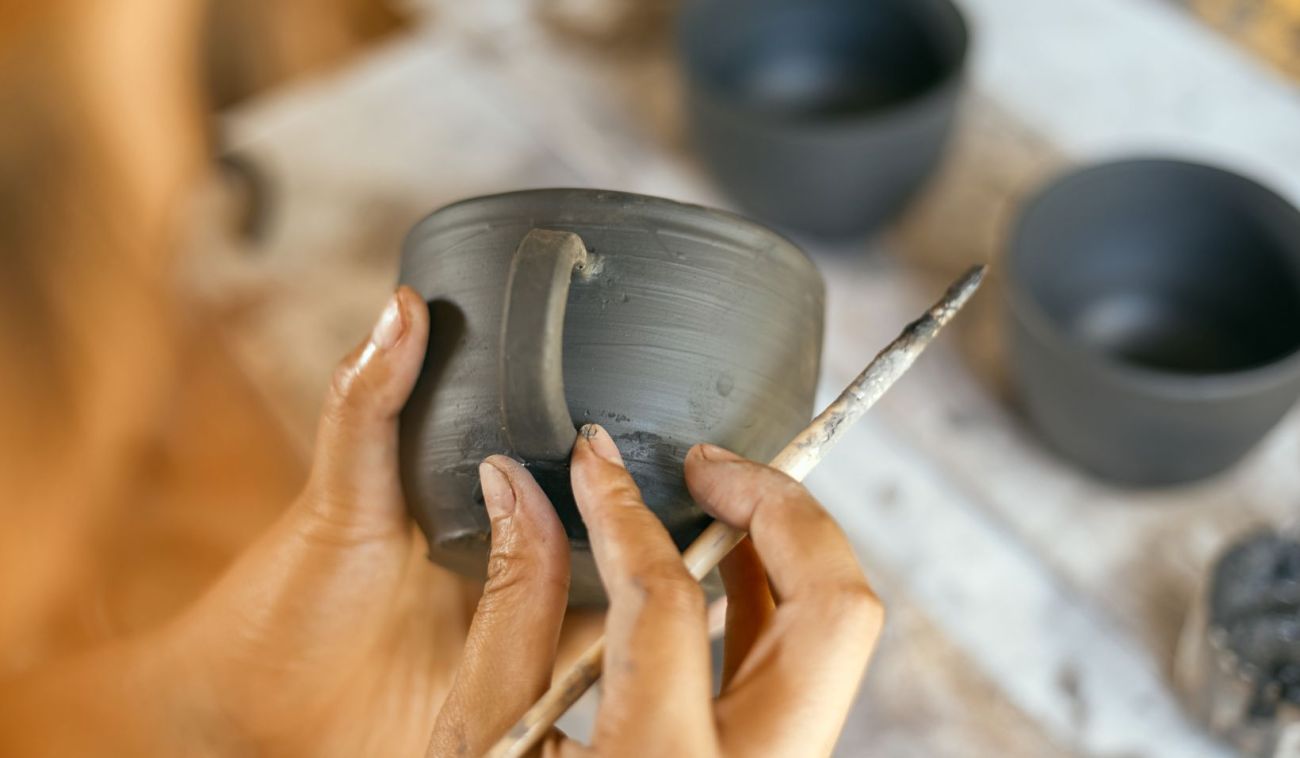
The skill and experience of master ceramicists make it possible to create both unique pieces and small series, using the potter’s wheel, hand modeling, slip casting, and the most sophisticated decoration techniques.
Processes, Glazes, and Iconic Decorations
From hand-painted majolica to translucent porcelain, from large vases to decorative tiles, Venetian workshops have given rise to globally recognized styles and collections.
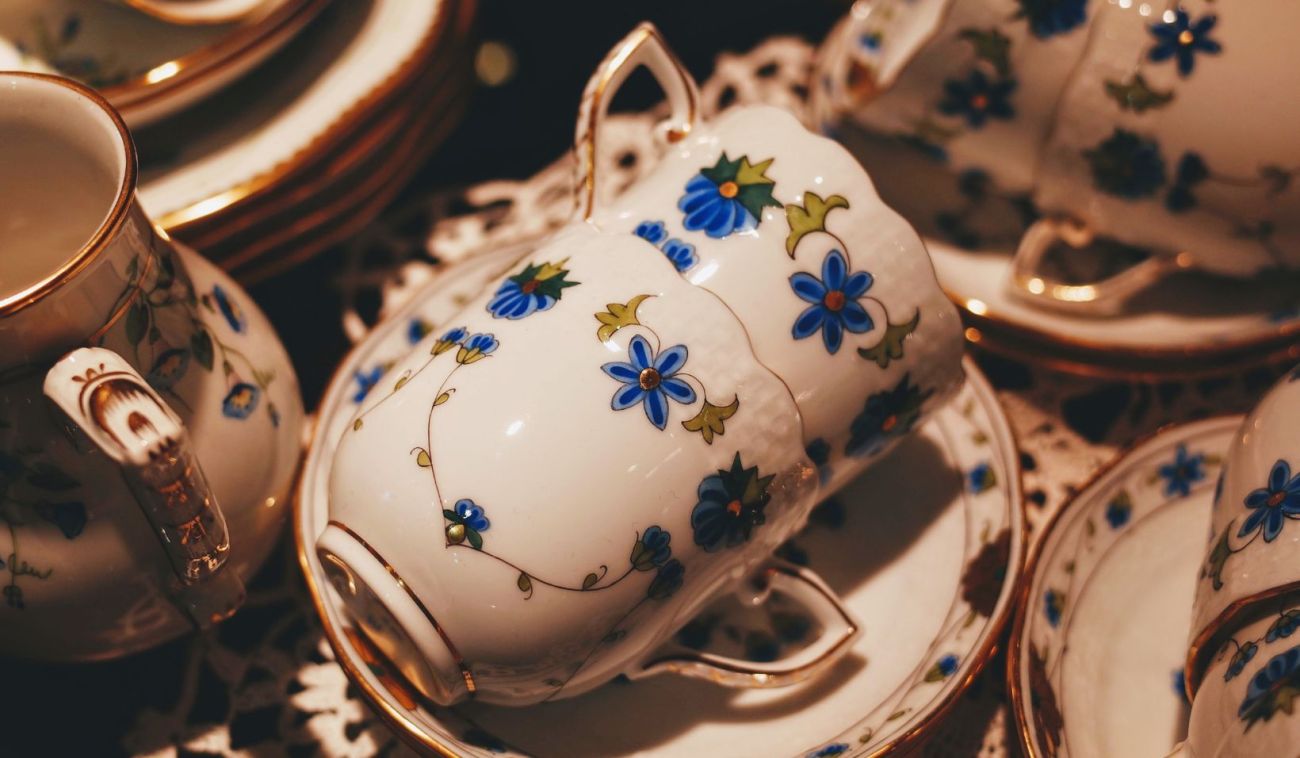
Iridescent glazes, gold detailing, polychrome patterns, engravings, and bas-reliefs are the hallmarks of a tradition that knows how to enhance the richness of materials and the variety of decorative techniques.
Innovation in Materials and Forms
In recent years, the sector has accelerated its push toward experimentation: the introduction of innovative clay bodies, research into new colors and finishes, and the use of digital technologies for design and 3D modeling all enable Venetian ceramics to meet the demands of contemporary designers and global markets.
Venetian companies often collaborate with architects, artists, and design studios to create projects ranging from furniture and home décor to public art and architectural cladding.
The Role of Education and Art Schools
Passing down ceramic knowledge to new generations is one of the most valuable aspects of the supply chain. In Veneto, education is supported by art schools, technical institutes, workshops, and associations that work in close synergy with local studios and businesses.
Generational Transition, Institutes, and Workshops
The generational handover often happens within families but is also facilitated through specialized courses, internships, and workshops open to young people and enthusiasts.
The technical schools and art institutes of Nove, Bassano, and Este are key reference points for those wishing to enter the profession, offering a curriculum that combines tradition, innovation, and business knowledge.
This exchange between diverse experiences enriches the sector and encourages the meeting of local creativity with international languages.
Sustainability, Circular Economy, and Responsibility
Sustainability is a central theme in Venetian ceramics. More and more companies are committed to reducing their environmental impact by adopting energy-efficient production processes, recovering and reusing waste materials, and selecting certified raw materials.
The circular economy translates into projects that promote reuse, turn waste into new products, reduce emissions, and prioritize workers’ health and well-being.
Raw Materials, Waste Recovery, and New Green Processes
From selecting local clays and non-toxic glazes to water purification systems and the installation of photovoltaic panels, Venetian ceramics are embracing a new way of practicing craftsmanship: beautiful, durable, and environmentally conscious.
These values strengthen the reputation of local companies and meet the expectations of a market increasingly sensitive to social and environmental responsibility.
Venetian Ceramics Between Art, Design, and Architecture
Venetian ceramics are not only a tradition but a strategic resource for contemporary art, design, and international architecture.
Over the past decades, both historic workshops and innovative companies in the region have reinvented themselves, becoming key players in a creative dialogue with artists, designers, architects, and public and private clients.
This openness to cross-disciplinary exchange stems from a solid culture of craftsmanship and a unique readiness to experiment with new materials and languages, all while maintaining a strong connection to the historical identity and core values of Venetian ceramics.
Installations, Public Art, and Contemporary Language
Venetian cities often serve as open-air galleries for monumental ceramic installations and public artworks born from collaborations between local masters and internationally renowned artists.
Squares, buildings, museums, and urban spaces host sculptures, ceramic murals, decorative panels, and mosaics that engage with contemporary architecture and celebrate the region’s memory and identity.
Craft workshops are regularly commissioned to create unique pieces for museum collections, temporary exhibitions, and cultural projects, playing a key role in the artistic vitality of the region.
This approach has brought Venetian ceramics to major events such as the Venice Biennale, contemporary art festivals, and prestigious international exhibitions.
Collaborations with Designers and Global Brands
The intersection with design is one of the most dynamic and stimulating areas for Venetian ceramics.
Companies and workshops work with both established designers and emerging talents to create furniture pieces, tableware, lighting, wall coverings, contract elements, and collectible items—often produced in limited editions.
These partnerships give rise to innovative projects that combine artisanal quality with contemporary aesthetics, offering high levels of customization and the ability to meet the specific needs of architects and interior designers.
The result is products that merge functionality, beauty, and emotional impact, bringing character to private homes, public spaces, luxury hotels, and institutional buildings in Italy and abroad.
Interior Architecture, Surface Design, and New Applications
In the field of architecture, Venetian ceramics are finding a new vocation as materials for wall and floor coverings, ventilated facades, and as true creative media for customizing residential, commercial, and public spaces.
Thanks to the versatility of local craftsmanship, Veneto’s workshops produce custom-designed artistic tiles, bas-reliefs, 3D mosaics, sculptural elements, and decorative modules that transform surfaces into unique expressions of identity, luxury, and innovation.
Internationally renowned architects choose Venetian ceramics for their ability to meet both technical and creative challenges, aided by new technologies such as 3D modeling, digital ceramic printing, innovative glazes, and eco-friendly materials that expand the expressive and functional possibilities of the medium.
From Tradition to Contemporary Lifestyle
The evolution of Venetian ceramics also reflects the changes in contemporary lifestyle: from increasingly personalized and sustainable table and kitchen collections, to decorative sculptures and collectible pieces that furnish the most exclusive homes.
The new sense of luxury lies in history, craftsmanship, and the uniqueness of handmade products—objects that convey emotions, stories, and roots through matter shaped by the human hand.
Global Markets, Export, and Internationalization Strategies
Venetian ceramics enjoy a well-established reputation in international markets, thanks to the high quality of the products, the strength of the brand, and the ability to offer customized solutions.
Companies export to Europe, North America, the Middle East, and Asia, participating in international trade fairs and industry events, and collaborating with global distributors and design studios.
Internationalization requires effective digital marketing strategies, investment in branding, and the ability to communicate the identity and story behind each product.
Business networks and collaboration with regional promotion agencies offer a competitive advantage for companies aiming to expand abroad.
Euteknos and Opportunities for Ceramic Companies
Euteknos, as a Regional Innovation Network, supports the ceramic supply chain through training services, innovation consulting, assistance with funding opportunities, network projects, and activities that foster collaboration among businesses, schools, designers, and institutions.
Joining Euteknos means accessing continuous professional development, connecting with new business opportunities, strengthening brand identity, and participating in shared national and international promotion projects.
The network also serves as a promoter of a culture rooted in quality, sustainability, and the authentic values of “Made in Veneto”, helping companies face contemporary challenges with greater awareness and effective tools.
Venetian ceramics tell a story of excellence, innovation, and passion that continues to captivate the world.
Choosing to invest in training, sustainability, experimentation, and collaborative networks like Euteknos means building the future of a sector that brings value to the region, to artisanal craftsmanship, and to boundless creativity.
If you want to grow your business, join Euteknos: together, we can lead Venetian ceramics toward new challenges and global achievements!

