

What increases the perceived value in Artistic Manufacturing?
When we talk about Artistic Manufacturing, the value of a piece does not depend solely on the materials or the time spent creating it. What really makes the difference is the customer’s perception of that product: a combination of emotions, signals, details, and contexts that make it unique, authoritative, and desirable.
Perceived value is what makes a piece chosen, appreciated, cherished, and recommended. It is a strategic asset and can be built and enhanced with simple yet powerful tools.
In this article, we explore the key factors that increase perceived value and offer practical insights for working on communication, presentation, pricing, and storytelling.
Perception and reality: two dimensions that coexist
In the world of artistic manufacturing, the actual quality of the product is only part of the story.
The other part — often decisive — is perceived quality: how the product is presented, displayed, enhanced, and staged.
“The customer doesn’t just buy an object, but what that object represents to them.”
A piece presented consistently, well told, placed in a carefully curated visual context, and with clear and justified pricing instantly increases its value in the customer’s eyes.
The 4 Pillars of Perceived Value
1 – Sensory and Cognitive Signals
Every interaction with the product — visual, tactile, olfactory — triggers a series of automatic evaluations in the customer’s mind. Some examples:
- Texture and weight of the material that convey solidity and care
- Color palette consistent with the company’s identity
- Well-designed and legible labels, tags, and badges
- Visual consistency between website, brochures, and the actual product
These are signals that build trust and credibility. When they are missing or inconsistent, the customer perceives a misalignment and reduces the perceived value, even if the product is excellent.
2 – Social Proof and References
Word of mouth remains one of the most powerful tools in manufacturing today. Reviews, case studies, and testimonials from satisfied customers (especially recognized professionals) create an implicit guarantee.
A phrase like “Also used in the restoration of La Scala in Milan” completely changes the perception of value.
Photographic references (real usage contexts) help the customer imagine the product in their own environment.
3 – Display Context and Presentation
How the product is displayed is an integral part of its storytelling. A piece placed casually on a desk or wrapped in anonymous paper doesn’t communicate its value.
Prefer curated settings, perhaps inspired by the final usage context (e.g., interiors, public spaces, architecture).
Use narrative elements like captions, storytelling QR codes, explanatory panels.
Invest in professional photoshoots to effectively showcase the product online as well.
4 – Price as a Non-Determining Factor
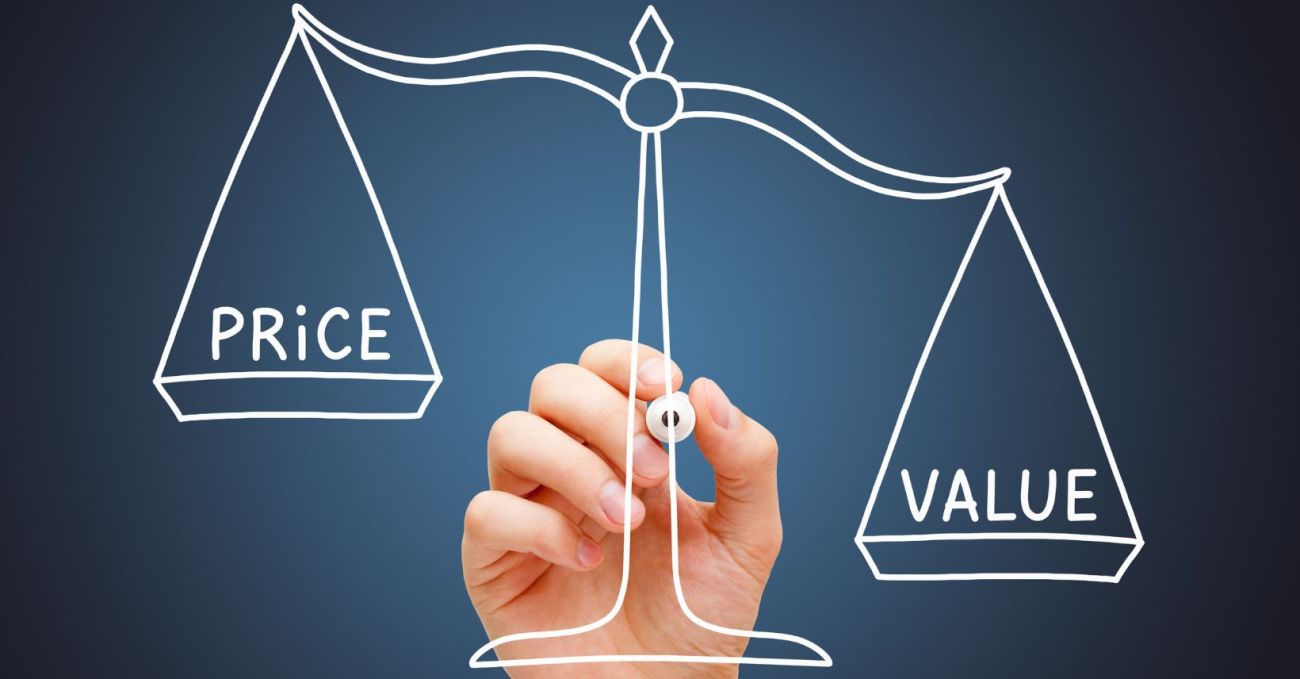
When it comes to quality products, price can become a powerful positioning tool and an opportunity. A price that is too low risks diminishing the perceived value, while a higher price, if well justified (through storytelling, certifications, serial numbers, limited editions), strengthens it.
It’s not enough to say, “It costs this much because it’s handmade.”
You need to tell the story behind it:
- Carefully selected materials
- Design and research
- Exclusivity
- Hours of labor
- Rare or endangered techniques
- Collaborations with institutions, designers, architects
A customer will be willing to pay more only if they understand why.
Here is a practical grid to use for evaluating and improving your touchpoints (before, during, and after the sale):
| Phase | Element | Recommended action |
| Pre-purchase | Product photo | Use neutral backgrounds + lifestyle photos |
| During | Packaging | Emotional and consistent packaging |
| During | Pricing | Transparent display + storytelling of price |
| Post-sale | Thank you | Personalized letter + invitation to stay in touch |
| Always | Testimonials | Collect and publish verifiable feedback |
Trust, consistency, storytelling: the invisible levers that make the difference
Perceived value is not improvised. It is the result of a coherent ecosystem made up of:
- Visual experience
- Intelligent communication
- Customer relationship
- Attention to detail
Every small gesture, from the postcard in the package to the well-printed specification sheet, communicates something. And the more coordinated and credible the messages are, the greater the perceived value grows.
Do you want to improve the positioning of your artistic creations and increase their perceived value?
Euteknos helps you build a coherent, credible, and engaging story from presentation to post-sale.

