
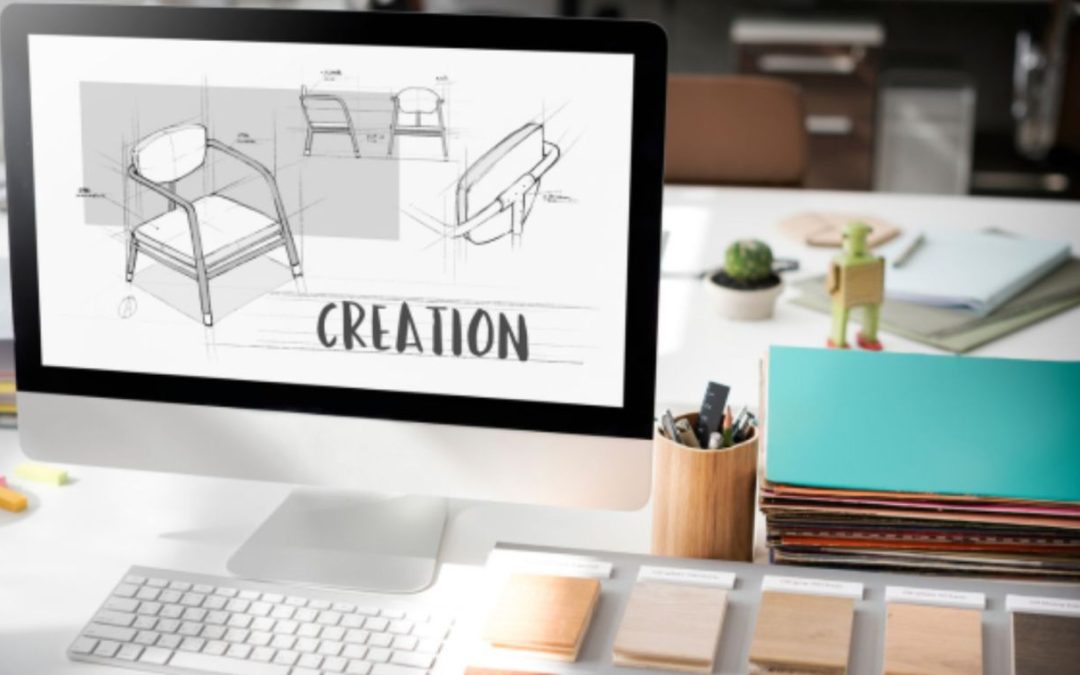
Technology plays a fundamental role in the creative process of crafting a product, acting as a catalyst that merges initial ideas with the practical demands of production.
Often, creativity is thought to emerge from a void, but in reality, it is nurtured by constraints, technical specifications, and functional parameters that guide the designer toward creating a high-quality product.
In this context, the search for the “right form” represents the first step in the creative process. This initial insight, while a synthesis of various factors, must be considered a creative act in its own right. It is not simply a matter of applying predefined logic; rather, it is a moment of inspiration that transcends the limits imposed by the initial specifications. The “right form” is, in this sense, a seed carrying the potential to evolve into a “good form,” which represents the conclusion of the design process. The good form results from the application of professional skills and technological knowledge and cannot exist without a fair degree of creativity.
The distinction between these two concepts is crucial. While the “right form” is born from a spark of creativity, the “good form” takes shape through a methodical and rigorous process, in which the designer and the artisan-artist collaborate to achieve a shared goal. In this scenario, technology should not be seen as an obstacle, but as an ally. It offers tools and solutions that, when used wisely, can enhance creativity, eliminate imperfections, and optimize the product’s aesthetics.
However, it is essential to recognize that the mere application of technology does not guarantee an excellent result. The “beautiful form” is an “X-factor” that must already be present in the initial design idea. Without this distinctive element, the product—no matter how functional—risks appearing anonymous and lacking character. Consequently, the designer’s primary task is to transform the initial idea into a product that is not only functional but also possesses intrinsic beauty.
The creative process in artistic manufacturing must be seen as an ongoing dialogue between intuition and technique, where technology is not merely a tool but an indispensable accomplice in the journey toward the creation of unique works. It is crucial that the initial creative phase does not become an isolated act but serves as the starting point for an open and fruitful exchange, so that beauty and functionality may coexist in perfect harmony.

