
The Magic of Venetian Glass
Venetian artistic glass is one of the undisputed excellences of Made in Italy. Here, craftsmanship meets a millennia-old history, giving life to objects that express beauty, lightness, and the extraordinary creative spirit of a unique land.
Every piece of Venetian glass is much more than a simple artifact—it is the result of ancient gestures, secrets passed down through generations, and a continuous pursuit of technical and aesthetic excellence.
Today, the challenge for master glassmakers and companies lies in keeping this heritage alive by innovating techniques and languages, embracing global markets, and investing in sustainability—without losing the authenticity that makes the glass of Venice and Murano so unique.
Origins and History of Glass in Venice and Murano
From the Middle Ages to the Great Workshops
The history of Venetian glass dates back to the Middle Ages. As early as the 13th century, the Serenissima (the Venetian Republic) recognized the strategic value of glassmaking and ordered the relocation of all glass furnaces to Murano—for both safety reasons and to protect the secrets of the craft.
Since then, Murano has become the world capital of glass, where extraordinary techniques such as crystal glass, filigree, murrine, and glass beads were invented—techniques that have shaped the history of European glass art and design.
The great workshops of Murano exported their masterpieces to royal courts around the world, establishing Venetian glass as a symbol of luxury, refinement, and creativity.
Murano, World Capital of Glass
Even today, Murano remains a unique microcosm where tradition and innovation engage in constant dialogue. Walking through its narrow streets means immersing yourself in a world of historic workshops, steaming furnaces, museums, galleries, and ateliers where new forms are explored and contemporary trends are interpreted—always starting from an inimitable know-how.
The material culture of glass, its rules, and its aesthetic codes have evolved without ever breaking the thread that connects them to the history of the Serenissima.
Traditional Techniques and Innovation in Glassmaking
The allure of Venetian glass lies in the richness and variety of its processing techniques. Every object—from goblets to monumental chandeliers—takes shape through a perfect combination of ancient gestures, experience, and artistic sensitivity.
Glassblowing, Filigree, Murrine, and Other Master Techniques
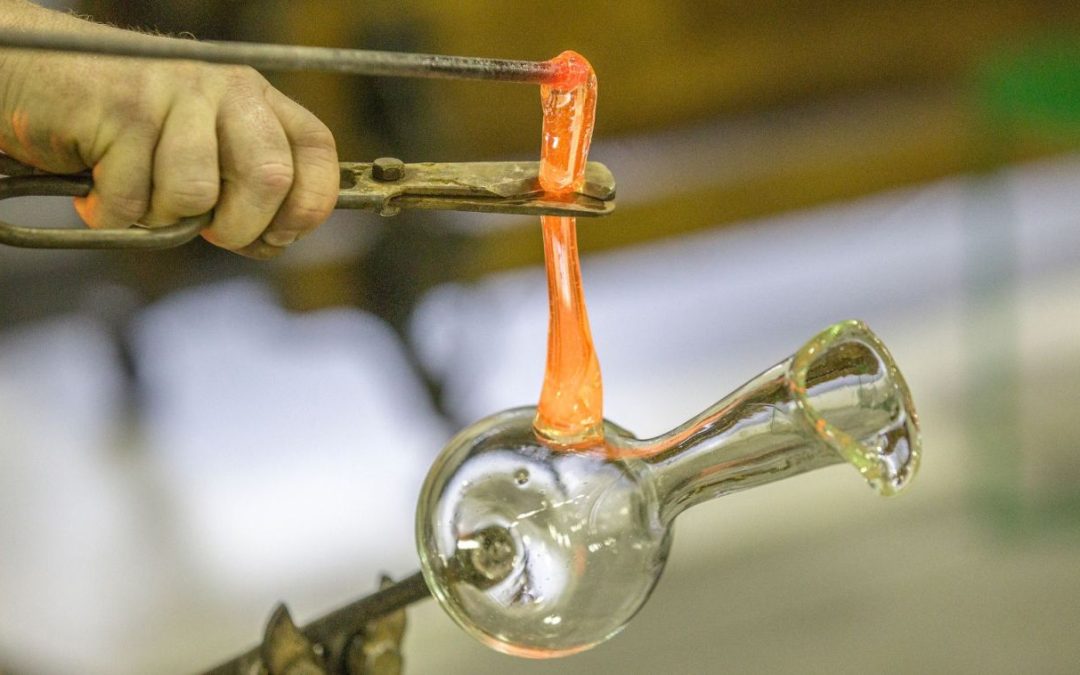
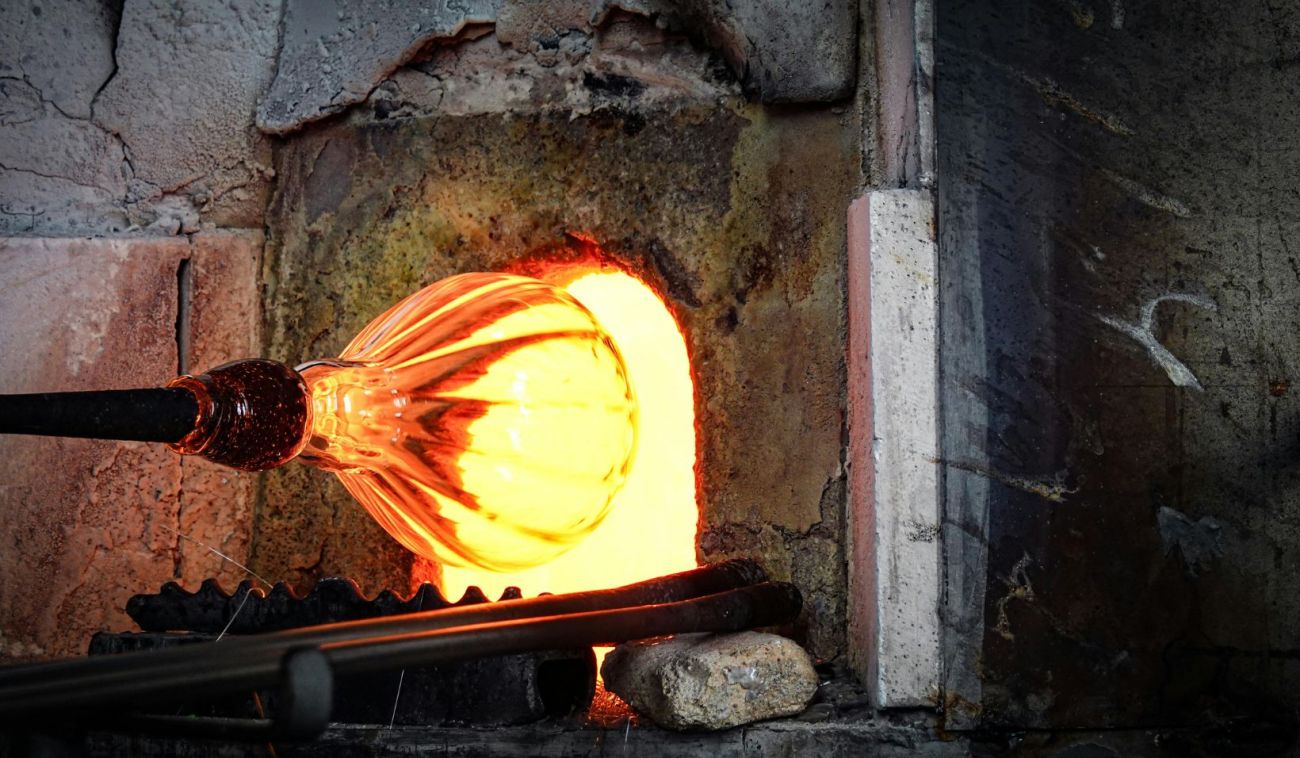
Glassblowing is the queen of Murano techniques: the master glassmaker shapes molten glass using a long blowpipe, creating light and harmonious forms that seem to defy the laws of matter.
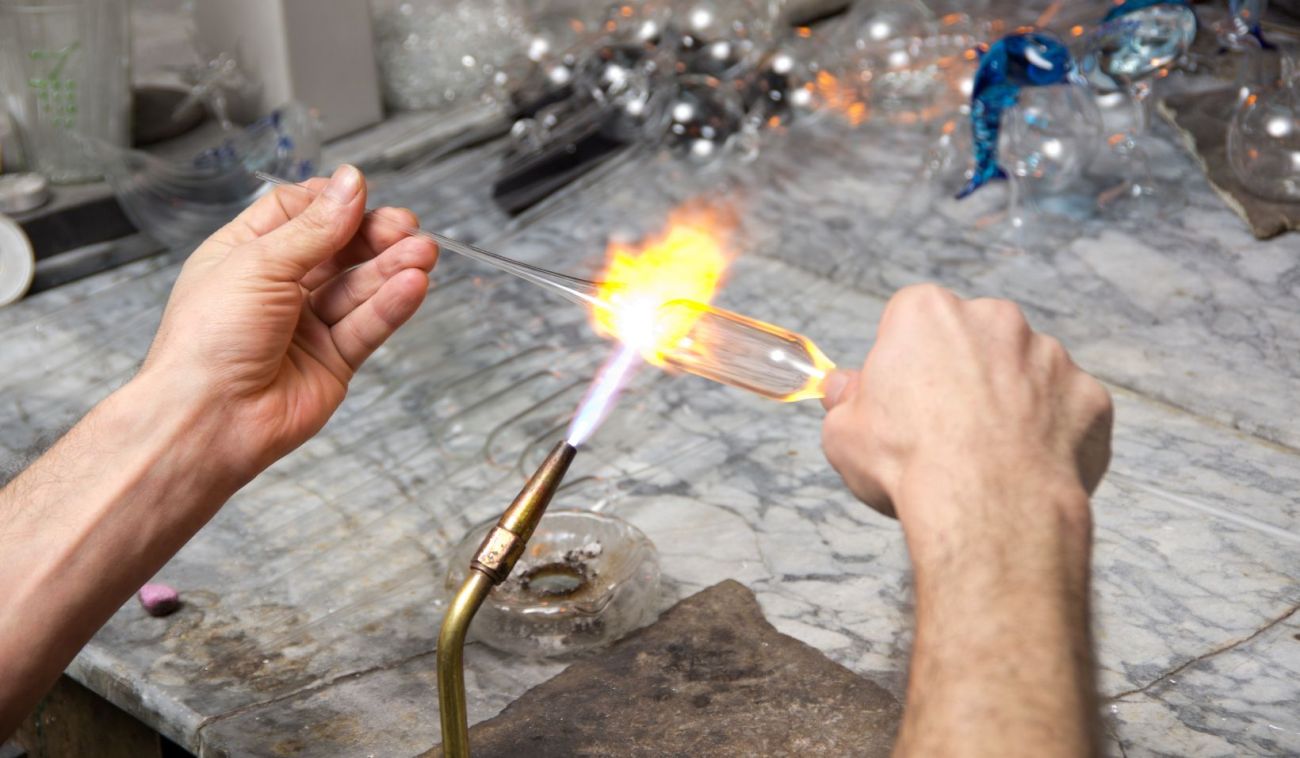
Alongside this art are lampworking, filigree, murrine production, cane and bead making, and various fusion and casting techniques.
These practices, refined and perfected over centuries, make each piece a unique work of art—capable of moving and astonishing those who behold it.
New Technologies and Creative Crossovers
In recent years, the Venetian glass sector has embraced new opportunities offered by technology. Murano companies are investing in energy-efficient furnaces, digital design, new colorants, and collaborations with renowned designers, architects, and artists.
These crossovers are taking Murano glass into new creative territories: contemporary design objects, experimental collections, artistic installations, and interior design projects for hotels and public spaces all over the world.
The ability to innovate without betraying its identity is now one of the secrets behind the international competitiveness of Venetian glass.
Protection of Artistic Glass: Combating Plagiarism and Certifying Origin
In today’s globalized world, safeguarding the authenticity of Venetian artistic glass is a crucial challenge for the survival and promotion of the sector. The works of Murano’s master glassmakers are often subject to imitation and plagiarism: products made elsewhere, using industrial techniques or low-quality materials, are marketed as “Murano glass”, damaging the reputation of true Venetian craftsmanship and putting honest businesses at risk.
The threat of counterfeiting goes beyond economic loss—it undermines cultural transmission, the continuity of workshops, and customer trust, whether from collectors or casual buyers.
This is why origin certification is essential. The “Vetro Artistico Murano®” trademark is an official guarantee of authenticity, tracing each item from the furnace to the point of sale and assuring the customer that the piece was genuinely made in Murano, using traditional techniques and certified materials. Only companies registered with the dedicated Consortium are allowed to use this trademark, which is accompanied by a numbered certificate, often now enhanced with digital tracking systems and QR codes.
Promoting a culture of certification is vital—both to educate the market and to protect the glassmakers, businesses, and the entire industry. Joining and supporting the Euteknos network actively contributes to this mission: the network raises awareness among operators, companies, and the public about the importance of protection, organizes training activities, awareness campaigns, and joint projects with institutions and certification consortia. Being part of Euteknos means strengthening one’s artisan identity, increasing supply chain transparency, and making a tangible contribution to protecting the true Made in Veneto from imitation.
For the consumer, purchasing a certified item doesn’t just mean owning a quality product—it means actively supporting the preservation of ancient knowledge, the future of Venetian craftsmanship, and the promotion of genuine Made in Italy.
Master Glassmakers: Guardians of Ancient Art and Knowledge
At the heart of Venetian glass are the master glassmakers—true guardians of a heritage of techniques, knowledge, and sensibility that has few equals in the world.
These artisans are, at once, artists, technicians, entrepreneurs, and innovators.
Their training begins at a young age and develops through years of apprenticeship in the furnaces, where they learn by observing the masters’ gestures, and by cultivating the patience, precision, and creativity needed to tame molten material.
Generational Transmission and Training
The passing down of artisan knowledge still primarily occurs within workshops today, but also finds new spaces in schools and specialized institutions such as the Abate Zanetti School of Murano. Here, young apprentices and students from all over the world can learn traditional techniques, experiment with innovations, and engage with established artists.
Educational workshops, internships, and continuing education programs represent a strategic resource for the future of the supply chain, ensuring generational renewal and the evolution of skills.
Sustainability and Responsibility in Artistic Glass
Sustainability is one of the most pressing challenges for the future of Venetian artistic glass. Glass production requires high energy use and has a significant environmental impact, but leading companies are investing in increasingly green processes.
Recycling, Energy, and Green Innovation
The adoption of low-energy furnaces, waste recovery, water purification systems, and the use of certified raw materials are now common practices among Murano furnaces.
Moreover, many companies actively engage in recycling unusable glass, transforming it into new creations or reintroducing it into the production cycle.
These choices respond not only to growing market demand but, more importantly, to the responsibility of preserving the unique lagoon environment and contributing to a culture of responsible business.
Venetian Glass: Between Art, Design, and Architecture
Murano and Venetian glass has always held a magnetic appeal for artists, architects, and designers from around the world. From major lighting commissions for historic palaces, theaters, and luxury hotels, to collaborations with top names in international design, Venetian glass plays a leading role in interpreting new trends in applied arts and interior design.
International Collaborations and Emerging Trends
This openness has sparked the creation of innovative collections, both public and private installations, contemporary artworks, and unique pieces destined for museums, galleries, and iconic spaces across the globe. Collaborations with architects, designers, and global brands are now a key driver for the growth of Murano glass companies, enabling them to broaden their horizons, learn new techniques, and strengthen their international reputation.
Internationalization: Markets, Exhibitions, and Global Fairs
The success of Venetian glass is also reflected in its ability to conquer global markets.
Murano-based companies export much of their production, taking part in major industry events such as Venice Glass Week, Maison&Objet, and the Salone del Mobile. They promote their craft through exhibitions and events held in museums and galleries worldwide.
Internationalization is supported by branding strategies, digital marketing, custom collections tailored to different markets, and partnerships with specialized distributors. It also relies on sharing the stories behind the craft and emphasizing the importance of certification culture.
Euteknos and Opportunities for Artistic Glass Companies
Euteknos, as a Regional Innovative Network, serves as a reference point for the growth and enhancement of Veneto’s artistic glass sector.
Through training programs, consulting on innovation and sustainability, support in accessing grants and funding, as well as networking and international promotion activities, Euteknos creates a favorable ecosystem for the development of the entire supply chain.
Being part of the network means gaining access to resources, expertise, projects, and connections that can truly make a difference—especially in an increasingly competitive and global market.
Venetian and Murano artistic glass represents a heritage of universal value, a symbol of Italian ingenuity and artisan tradition. Today, the challenge lies in preserving this ancient knowledge while also positioning it at the forefront of innovation, sustainability, and international expansion.
Joining the Euteknos network means protecting identity, growing in awareness, entering new markets, and actively contributing to the future of Venetian glass.

