
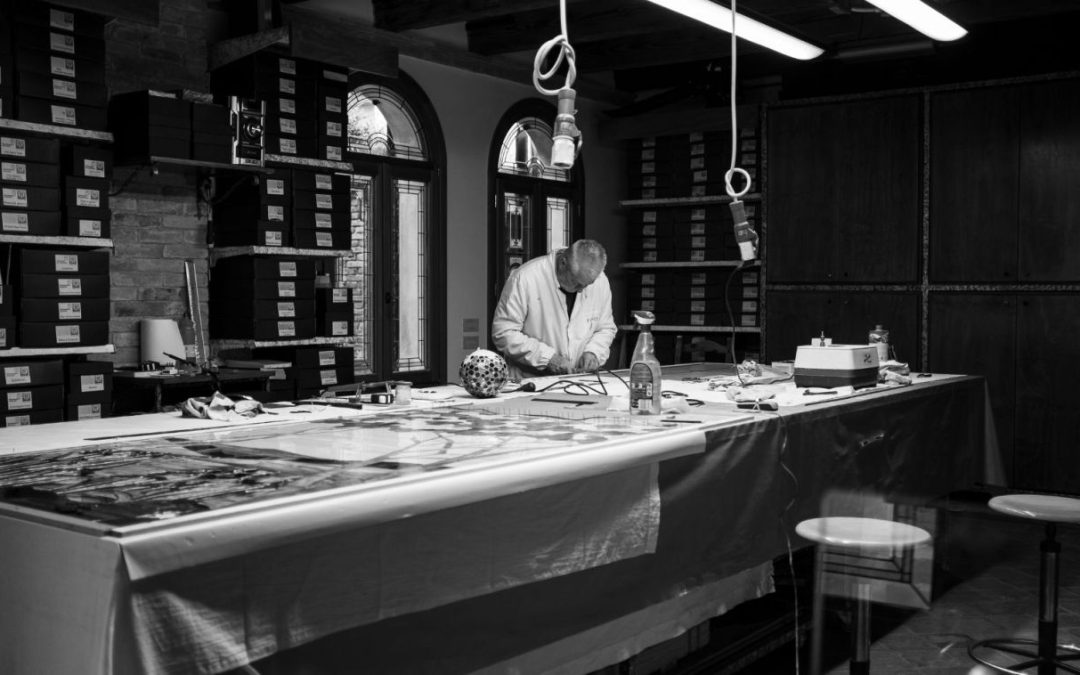
According to a recent survey conducted by Censis for Confartigianato, craftsmanship is considered one of Italy’s most significant cultural heritages, representing 59.9% of manufacturing companies. This figure confirms how this sector remains an integral part of the country’s productive identity even today.
However, the industry has experienced a critical phase in recent years. Between 2021 and 2022, the number of active artisan businesses nationwide declined by 1.1%, mainly due to demographic changes and insufficient generational turnover.
A return to the value of “knowing how to do”
In an era dominated by automation and artificial intelligence, there is a renewed interest in manual work and artisanal skills. Many companies are rediscovering the unique value of “handmade,” considering it not only an identity factor but also a powerful element of market differentiation.
The surprising statistic? 95.2% of Italians believe that the richness of local identities is one of the country’s defining characteristics. And it is precisely craftsmanship that represents one of the most authentic languages of these local identities.
Craftsmanship as a cultural experience
Historically, the artisan trade originated in workshops where young apprentices learned by observing master craftsmen at work. In Italy, this model has survived thanks to a strong connection with the territory and iconic events such as “L’Artigiano in Fiera,” not to mention the key role of tourism in the sale of local handcrafted products.
Today, the challenge is to integrate digital technologies into this ecosystem. Combining traditional knowledge with contemporary tools means creating shared spaces where artists, makers, and young artisans can collaborate, innovate, and, above all, tell their work’s story in a new and engaging way.
Another fundamental aspect of the artisanal revival is the creation of a distinctive visual identity. Hotels, co-working spaces, and hospitality facilities are increasingly highlighting craftsmanship as a central element of the guest experience. Objects, environments, and materials speak of the territory, making each stay unique and memorable.
The power of personalization
Finally, one of the strongest trends is personalization: offering customers the opportunity to participate in the creative process generates a strong and lasting emotional bond. It is not just about purchasing an object but about living its story and process. This active involvement transforms the product into an experience, and the experience into a shared memory.
Only through these new approaches — where tradition, innovation, and participation meet — can the craftsmanship sector cease to be seen as something “from the past” and become, in every respect, a strategic lever for the future of Italian manufacturing.

