
Venetian Artistic Manufacturing: Tradition, Innovation, and Sustainable Development
What is Venetian Artistic Manufacturing
A Millennia-Old Tradition
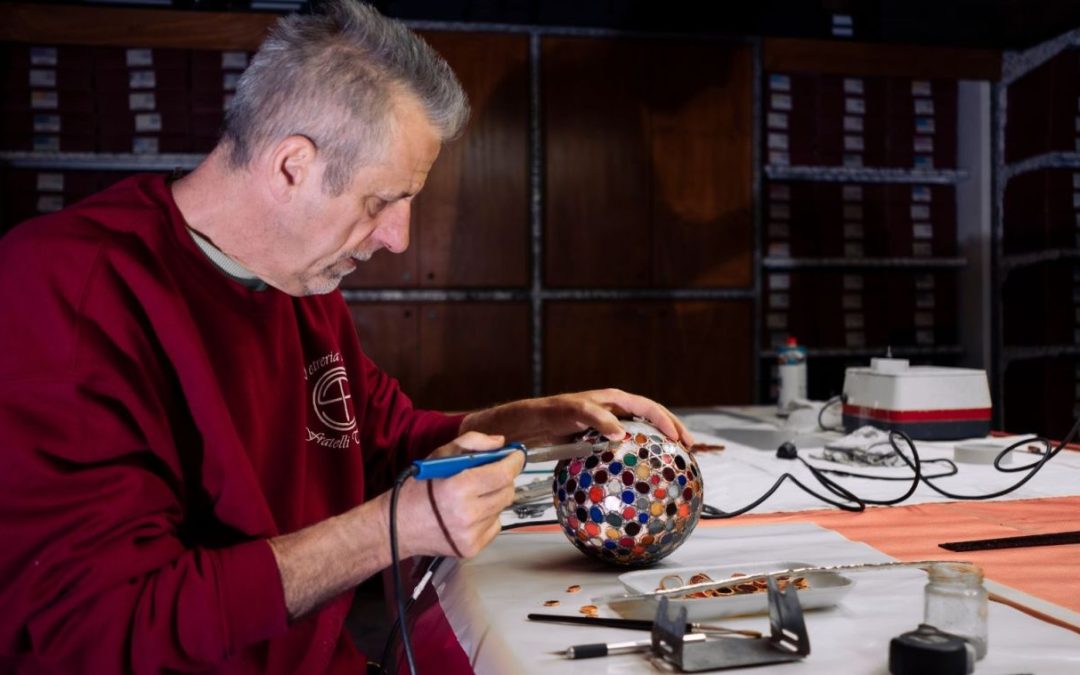
Venetian artistic manufacturing is one of the most authentic symbols of the region’s culture and represents an ideal bridge between a glorious past and the challenges of the present. This heritage has evolved over centuries through a constellation of workshops, studios, art schools, and manufacturing businesses that have helped define the style, quality, and identity of Italian craftsmanship worldwide.
It is not only about production techniques handed down through generations, but a true way of conceiving work and beauty—a cultural value that shapes the social and economic fabric of Venetian communities. Each crafted object carries not only the skill of the hands that created it but also the memory of a place and the ability to innovate while remaining faithful to a living tradition.
Sectors of Excellence
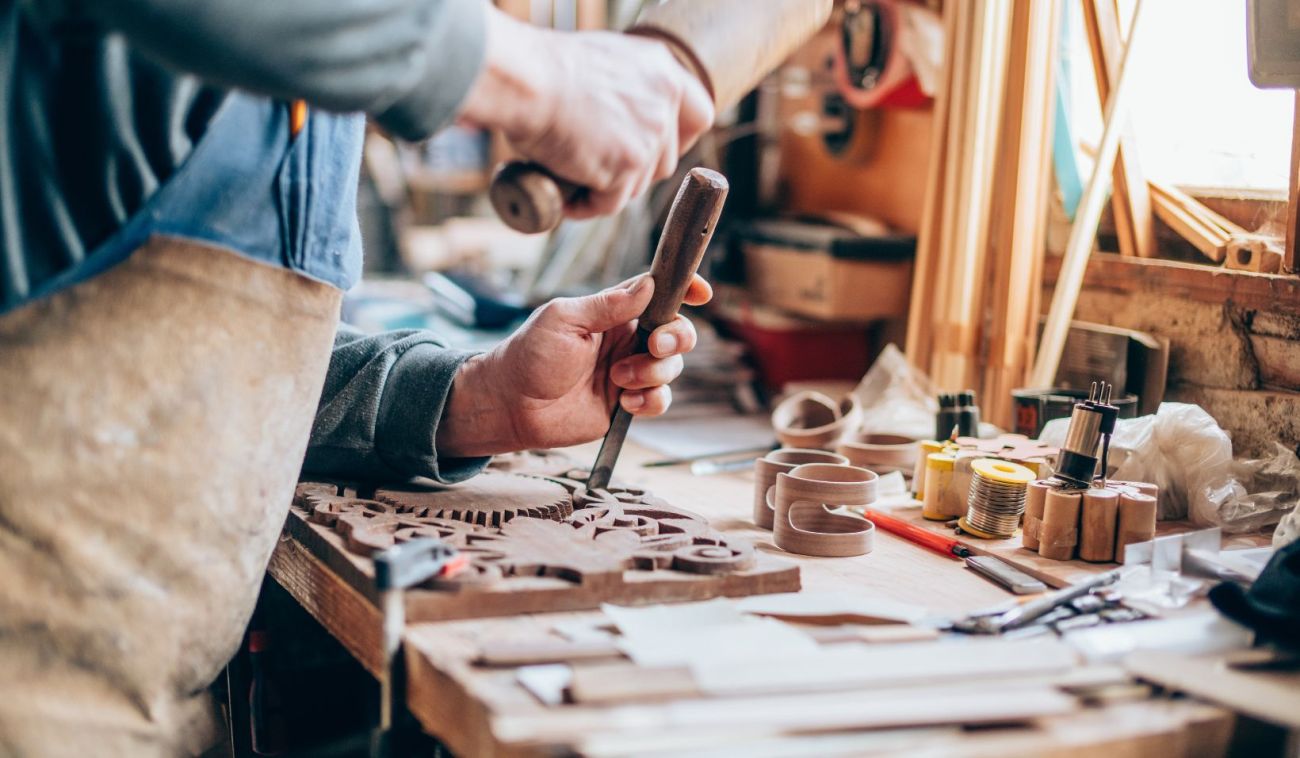
The strength of Venetian artistic manufacturing lies in the extraordinary variety and specialization of its sectors: from woodworking and high-end furniture production to artistic carpentry, goldsmithing, and the creation of objects in precious metals, to the marble, artistic glass, and ceramic industries.
In each of these sectors, excellence is expressed through the pursuit of formal perfection, the use of top-quality materials, and a constant drive for innovation. The presence of industrial districts and business networks, combined with master artisan workshops, creates a unique production ecosystem where individual creativity blends with the power of collaboration.
This production network is an invaluable asset not only for the local economy but also for the international reputation of Made in Veneto.
Enhancing Tradition to Look Toward the Future
The Artisan Heritage of Veneto
Safeguarding artistic manufacturing means protecting not just a set of technical skills, but also a collective identity rooted in the region’s ancient history. Passing down knowledge, preserving traditional techniques, and promoting local specificities are fundamental strategies to stand out in an increasingly homogenized global market.
However, tradition must not be a constraint that prevents change. On the contrary, it should be the foundation upon which to build new forms of creativity and experimentation, engaging with the needs of contemporary consumers and the opportunities offered by technological innovation.
Risks and Opportunities in the Current Landscape
Today’s context presents numerous challenges for Venetian artisans and businesses. International competition, raw material shortages, increasing digitalization, and the need to adapt to new market dynamics create uncertainty and require strong resilience.
Nevertheless, this phase of transformation can be an extraordinary opportunity for those willing to invest in skill development, product diversification, and exploring new markets.
Businesses that embrace these opportunities can strengthen their competitive position by enhancing their identity and authentically telling the story that makes them unique.
Innovation and Digital Transformation: The New Challenge
Integrating New Technologies
In recent years, technological innovation has become a key factor in the growth and competitiveness of Venetian artisan businesses. The digitalization of production processes, the introduction of advanced automation systems, the spread of 3D printing and CAD/CAM technologies have revolutionized the way artistic products are designed, produced, and marketed.
These innovations not only improve the quality and efficiency of craftsmanship but also open up new avenues for product customization and global market access through e-commerce and digital platforms. Companies that invest in technology can respond more quickly to customer needs, reduce waste, optimize costs, and, most importantly, differentiate themselves from international competitors.
Digitalization and New Skills
For technological innovation to truly become an added value, investment in human capital is essential. Continuous training of workers, intergenerational exchange, and collaboration with research institutions and universities are strategic levers for developing new digital, creative, and managerial skills. In this scenario, traditional artisan knowledge is enriched with new professional capabilities that combine manual expertise and experience with the ability to use advanced digital tools and understand global trends.
A culture of innovation cannot exist without dialogue between past and future, between craftsmanship and technology, between local identity and international openness.
Ethics of Form and Sustainability in Production Processes
Responsible Practices and Sustainable Materials
In a world increasingly concerned with the environmental and social impact of production activities, Venetian artistic manufacturing is called to play a leading role in adopting sustainable practices. This includes choosing eco-friendly materials, promoting recycling and resource reuse, reducing energy waste, and investing in green technologies that minimize environmental footprint.
But sustainability does not stop at technical choices: it also involves the ethical dimension of labor, respect for people, and the enhancement of local communities. Companies that adopt a responsible approach not only improve their reputation but also build trust-based relationships with customers and partners, contributing to the strength of the local social and economic fabric.
The Importance of Ethics in Manufacturing
Promoting an ethics of form means recognizing the intrinsic value of beauty, responsibility toward cultural heritage, and respect for the dignity of artisan labor.
Thanks to its long tradition, Venetian artistic manufacturing is called to be a model of integrity, transparency, and fairness. Ethics must guide every choice—from the selection of suppliers to the protection of working conditions, from the transmission of knowledge to the commitment to quality. Only in this way can the word “sustainability” have full meaning and ensure a future for the businesses and communities that depend on artistic manufacturing.
The International Expansion of Venetian Manufacturing
How to Approach Foreign Markets
Internationalization represents one of the most significant and promising challenges for Venetian artisan businesses. Entering foreign markets requires a shift in mindset and the adoption of targeted strategies capable of enhancing the uniqueness of products while adapting to the demands of different cultural and commercial contexts.
Participating in international trade fairs, collaborating with foreign distributors, developing a multilingual digital presence, and investing in brand communication are just a few of the essential actions to expand one’s reach. Companies that succeed in building trust-based relationships and long-term partnerships at the international level can not only increase their revenue but also gain new insights that drive innovation and continuous improvement.
The Role of the Veneto Brand Worldwide
The Veneto brand currently enjoys a strong and globally recognized reputation. It is synonymous with quality, creativity, reliability, and innovation. Companies that can capitalize on this shared identity—working in networks with other businesses, institutions, and trade associations—can benefit from exceptional communicative and commercial strength.
Building a strong regional system, based on collaboration and integrated territorial promotion, allows businesses to overcome the limitations of their size and successfully tackle the challenges of globalization. In this sense, internationalization is not merely about exporting—it is a comprehensive growth and development strategy for the entire sector.
Training and Networks: The Role of Euteknos
Collaboration with Universities and Institutions
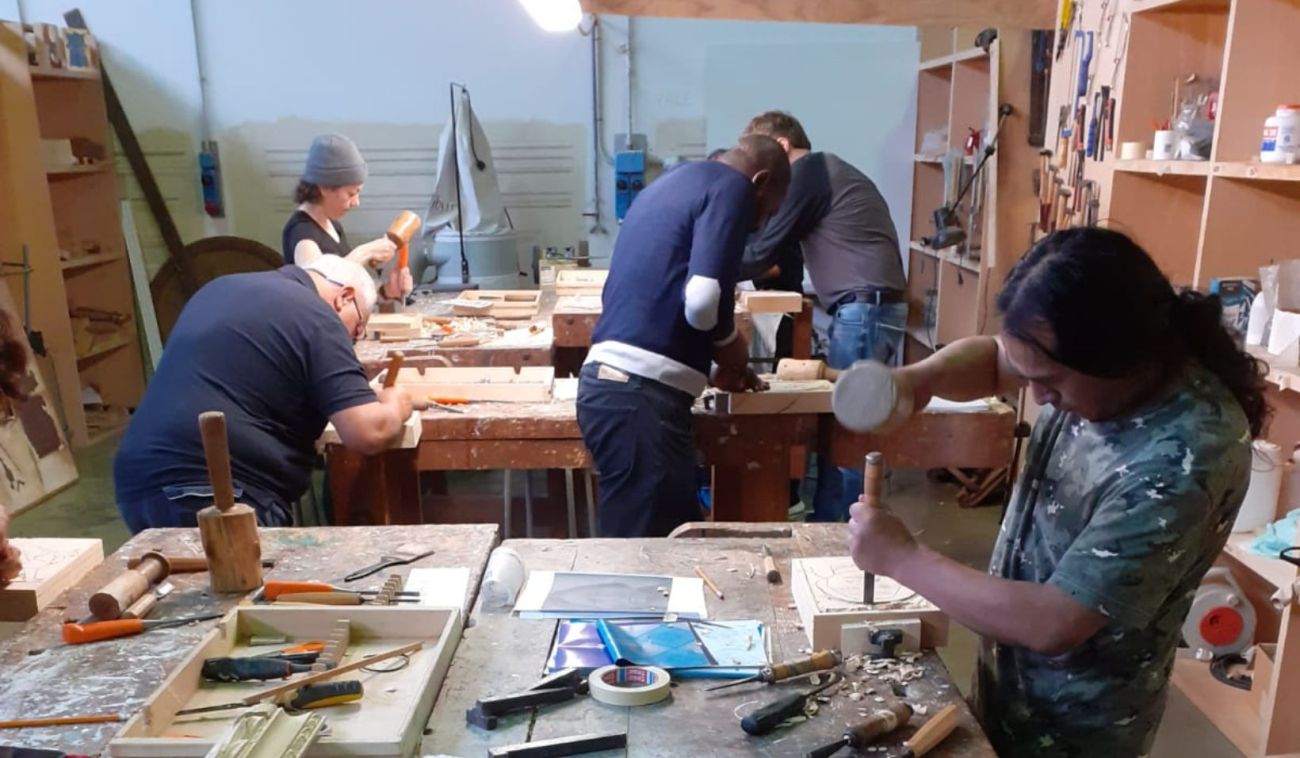
Training is a fundamental pillar for the development of Venetian artistic manufacturing. Only through constant upskilling, cross-disciplinary knowledge exchange, and active dialogue between schools, universities, and the business world can we ensure the survival and revitalization of artisan professions. In this context, Euteknos plays a key role as a member of the Regional Innovation Network, fostering partnerships between businesses, training institutions, associations, and public bodies.
The training programs promoted by Euteknos are designed to respond to the real needs of companies, offering technical, managerial, and digital upskilling paths, as well as opportunities for discussion, consulting, and networking. This ability to build and maintain networks is one of the hallmarks of the Veneto model and serves as a crucial competitive advantage.
Funding and Growth Opportunities for Companies
Accessing regional, national, and European funding opportunities is essential for supporting innovation and growth among artisan businesses. However, companies often face bureaucratic hurdles and a lack of information.
In this scenario, Euteknos provides concrete support by identifying the most suitable opportunities, assisting companies throughout the application process, and guiding them during the implementation of funded projects.
This activity contributes not only to the development of individual businesses but also to the growth of the entire sector, promoting the spread of best practices and fostering a shared culture of innovation.
Venice: A Model of Encounter and Creativity
Venice has always symbolized the meeting of cultures, the ability to embrace and reinterpret diverse influences, and the perfect balance between beauty, functionality, and an innovative spirit. Thanks to its geographical position and millennia-old history, the lagoon city has become a laboratory of artistic experimentation and a crossroads of commercial exchange.
Even today, Venice continues to be a source of inspiration for all Veneto-based companies that aim to combine artisanal know-how with contemporary creativity—opening up to the world without losing their connection to their roots. Following Venice’s example means having the courage to innovate, to look beyond borders, and to value the richness of diversity.
Building Bridges Between Past and Future
Venetian artistic manufacturing today faces both a great responsibility and an extraordinary opportunity: to serve as guardian of a millennia-old tradition while also playing a leading role in the transformation reshaping the worlds of work, culture, and the economy.
The challenge for industry professionals in the coming years will be to build bridges between past and future, between craftsmanship and innovation, between the local and the global. On this journey, Euteknos positions itself as a point of reference for all companies looking to invest in training, sustainability, internationalization, and the development of new skills—helping to revitalize Venetian artistic manufacturing and strengthen its role as a symbol of excellence on the international stage.

